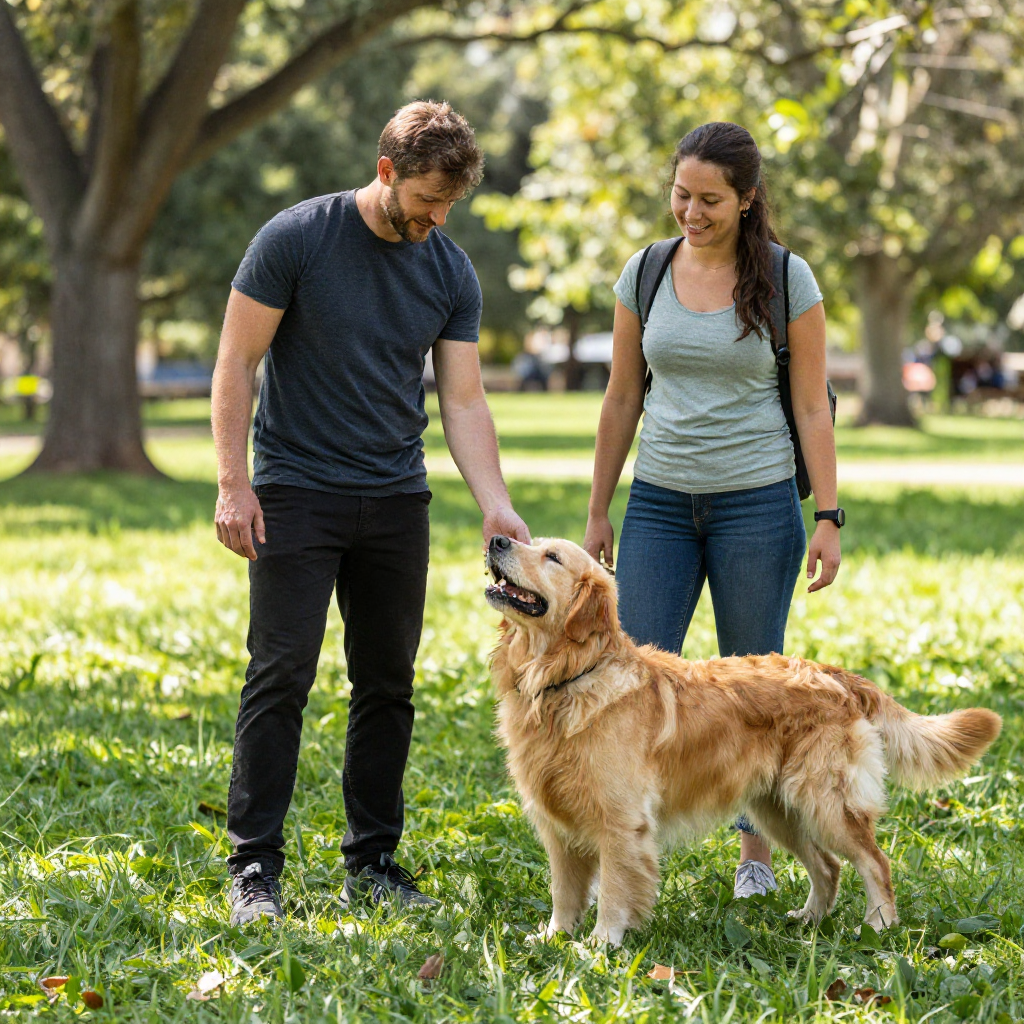
Many owners describe their pets as stubborn when training does not go as planned. In reality, most dogs are not refusing to listen simply to be difficult. They may be confused, distracted, highly motivated by their surroundings, or learning at a different pace than expected. Effective dog training for stubborn dogs begins by understanding why a dog behaves a certain way and then creating a consistent training approach that encourages success. Rob’s Dog Training helps owners recognize these challenges while using practical, positive training methods that encourage lasting behavioral improvements.
Whether working with a young puppy, an energetic adolescent, or an older rescue, every dog has the ability to learn. The key is using methods that build trust, reinforce desirable behavior, and establish clear communication. With patience and consistency, even dogs that seem resistant to training can develop reliable habits that improve everyday life.
Why Some Dogs Seem Stubborn
The word “stubborn” often oversimplifies canine behavior. Dogs do not naturally understand household expectations, and several factors can influence how quickly they respond during training.
Common reasons include:
- High environmental distractions
- Strong independent instincts
- Inconsistent training from different family members
- Lack of motivation or rewards
- Fear, anxiety, or uncertainty
- Insufficient mental stimulation
- Physical discomfort or health concerns
Before assuming a dog is refusing to cooperate, it helps to evaluate the environment and the training process itself. Small adjustments often produce significant improvements.
Dog Training for Stubborn Dogs Starts With Communication
Dogs learn through repetition, timing, and consequences. Clear communication reduces confusion and allows them to understand which behaviors earn positive outcomes.
Successful communication includes:
- Giving one clear command at a time
- Using the same cue consistently
- Rewarding correct responses immediately
- Avoiding mixed signals
- Practicing in distraction-free environments before increasing difficulty
Consistency allows dogs to predict what is expected, making learning faster and less stressful.
Understanding What Motivates Your Dog
Not every dog responds to the same reward. Some work enthusiastically for treats, while others prefer toys, praise, games, or opportunities to explore.
Finding the right motivator makes training sessions far more productive.
Popular rewards include:
- Small food treats
- Favorite toys
- Tug games
- Fetch
- Verbal praise
- Petting for dogs that enjoy affection
- Access to desired activities
Using high-value rewards during difficult exercises encourages dogs to repeat successful behaviors.
Build Success With Short Training Sessions
Long sessions often lead to frustration for both owner and dog. Short, focused practice periods help maintain attention while preventing mental fatigue.
Many trainers recommend:
- Five to ten minutes per session
- Multiple sessions throughout the day
- Ending while the dog is still engaged
- Finishing with an easy success
Frequent repetition throughout daily routines reinforces learning more effectively than occasional lengthy sessions.
Focus on One Skill at a Time
Trying to teach multiple commands simultaneously can overwhelm dogs that are still developing self-control.
A simple progression might include:
- Name recognition
- Sit
- Down
- Stay
- Come
- Leave it
- Loose-leash walking
Once one behavior becomes reliable, adding new skills becomes much easier because the dog already understands the learning process.
Positive Reinforcement Encourages Reliable Behavior
Positive reinforcement remains one of the most effective training methods because it rewards desired behaviors instead of focusing on mistakes.
When dogs consistently receive something valuable after making good choices, they become more likely to repeat those behaviors.
Rewards can include:
- Food
- Toys
- Praise
- Playtime
- Access to favorite activities
This approach creates confident learners while strengthening the relationship between owner and dog.
Why Timing Matters
Dogs associate rewards with behaviors that occur immediately beforehand. Waiting even a few seconds can reduce learning because the dog may connect the reward with a different action.
Good timing means:
- Marking the correct behavior instantly
- Delivering rewards immediately afterward
- Repeating successful responses consistently
Accurate timing helps dogs understand exactly what earned reinforcement.
Prevent Accidental Reinforcement
Owners sometimes reward unwanted behaviors without realizing it.
Examples include:
- Giving attention when a dog jumps
- Offering treats to stop barking
- Allowing pulling on walks to continue moving forward
Dogs repeat behaviors that produce rewarding outcomes. Managing the environment while reinforcing desirable actions helps replace unwanted habits with better alternatives.
Increase Difficulty Gradually
Many owners expect dogs to obey commands everywhere immediately after learning them indoors. However, dogs do not automatically generalize behaviors to new environments.
Progress gradually by practicing:
- Inside the home
- Quiet backyard areas
- Calm neighborhood streets
- Local parks
- Busier public spaces
Each new environment introduces distractions that require additional practice.
Mental Exercise Reduces Training Challenges
Dogs with excess physical or mental energy often struggle to focus during training.
Mental enrichment activities may include:
- Food puzzle toys
- Nose work games
- Hide-and-seek
- Scent trails
- Problem-solving exercises
- Interactive feeding toys
A mentally satisfied dog often learns more efficiently because excess energy has productive outlets.
Consistency Across the Entire Household
Training becomes confusing when different family members use different commands or expectations.
For example:
- One person says “Down.”
- Another says “Off.”
- Someone else allows jumping.
- Another discourages it.
Dogs learn fastest when everyone follows the same rules, uses the same cues, and rewards the same behaviors.
Common Behaviors Owners Mistake for Stubbornness
Several everyday challenges are frequently labeled as stubborn behavior when other explanations are more accurate.
Ignoring Recall
Dogs may prioritize exciting scents, wildlife, or play over returning immediately.
Improving recall requires:
- High-value rewards
- Gradual distraction training
- Frequent successful repetitions
- Never punishing a dog for returning
Pulling on the Leash
Many dogs naturally walk faster than humans.
Loose-leash walking improves through:
- Rewarding walking beside the handler
- Stopping when pulling occurs
- Changing directions unexpectedly
- Practicing in low-distraction locations
Jumping on Guests
Jumping usually reflects excitement rather than defiance.
Teaching an alternative greeting behavior, such as sitting for attention, provides a clear replacement behavior.
Barking
Excessive barking may result from:
- Excitement
- Alerting
- Frustration
- Fear
- Boredom
- Lack of stimulation
Understanding the underlying cause helps determine the most appropriate training solution.
Patience Produces Better Results
Learning is rarely linear. Dogs often progress rapidly before temporarily appearing to forget previously learned behaviors.
These temporary setbacks are normal.
Successful owners:
- Stay consistent
- Avoid punishment-based reactions
- Continue rewarding improvement
- Practice regularly
- Celebrate gradual progress
Steady repetition builds lasting reliability over time.
Tailoring Training to Individual Personalities
Every dog brings unique characteristics to the learning process.
Some dogs are naturally:
- Independent
- Highly social
- Food motivated
- Toy motivated
- Sensitive
- Confident
- Easily distracted
Adjusting training methods to fit the individual dog often improves learning far more than simply increasing repetition.
Why Relationship Matters
Training extends beyond teaching commands.
Dogs learn best when they trust their handlers and feel confident interacting with them.
Daily activities strengthen this relationship:
- Structured walks
- Interactive play
- Calm handling
- Consistent routines
- Positive experiences
- Clear expectations
Strong relationships encourage dogs to stay engaged and responsive during training.
When Professional Guidance Helps
Some behavioral challenges become more complex than basic obedience.
Professional support may be valuable when dogs show:
- Severe leash reactivity
- Resource guarding
- Persistent anxiety
- Fear-based aggression
- Extreme impulsiveness
- Difficulty learning despite consistent effort
Working with an experienced trainer provides individualized strategies that address the dog’s specific learning style while helping owners improve communication and consistency.
Measuring Progress Beyond Perfect Obedience
Many owners expect immediate perfection, but meaningful progress usually appears through gradual improvements.
Positive indicators include:
- Faster responses
- Longer focus periods
- Improved impulse control
- Better recovery after distractions
- Increased confidence
- Reduced frustration
- Greater reliability across environments
Recognizing these milestones keeps owners motivated throughout the training journey.
Long-Term Success Comes From Daily Practice
Training should become part of everyday life rather than something reserved for formal sessions.
Simple opportunities include:
- Asking for a sit before meals
- Practicing recall during play
- Rewarding calm greetings
- Reinforcing loose-leash walking
- Using daily routines to reinforce manners
Frequent real-world practice helps dogs apply learned behaviors naturally in everyday situations.
Final Thoughts
Successful dog training for stubborn dogs is rarely about overcoming stubbornness. More often, it involves understanding motivation, improving communication, maintaining consistency, and reinforcing behaviors that owners want to see repeated. Every dog learns differently, but with patience, structured practice, and positive reinforcement, even challenging learners can develop dependable habits.
Building reliable behavior is an ongoing process rather than a quick fix. Owners who focus on clear expectations, gradual progress, and positive experiences create confident dogs that respond willingly in a variety of situations. Rob’s Dog Training believes that lasting success comes from strengthening the bond between dogs and their owners through consistent guidance, helping create a more enjoyable partnership that continues well beyond formal training sessions.